What does the AI UGC ad generator workflow look like step by step?
The 5 steps below are the workflow teams run inside Avocado AI, from the first product photo to the exported variant set.
- 01
Save the product in Brand DNA
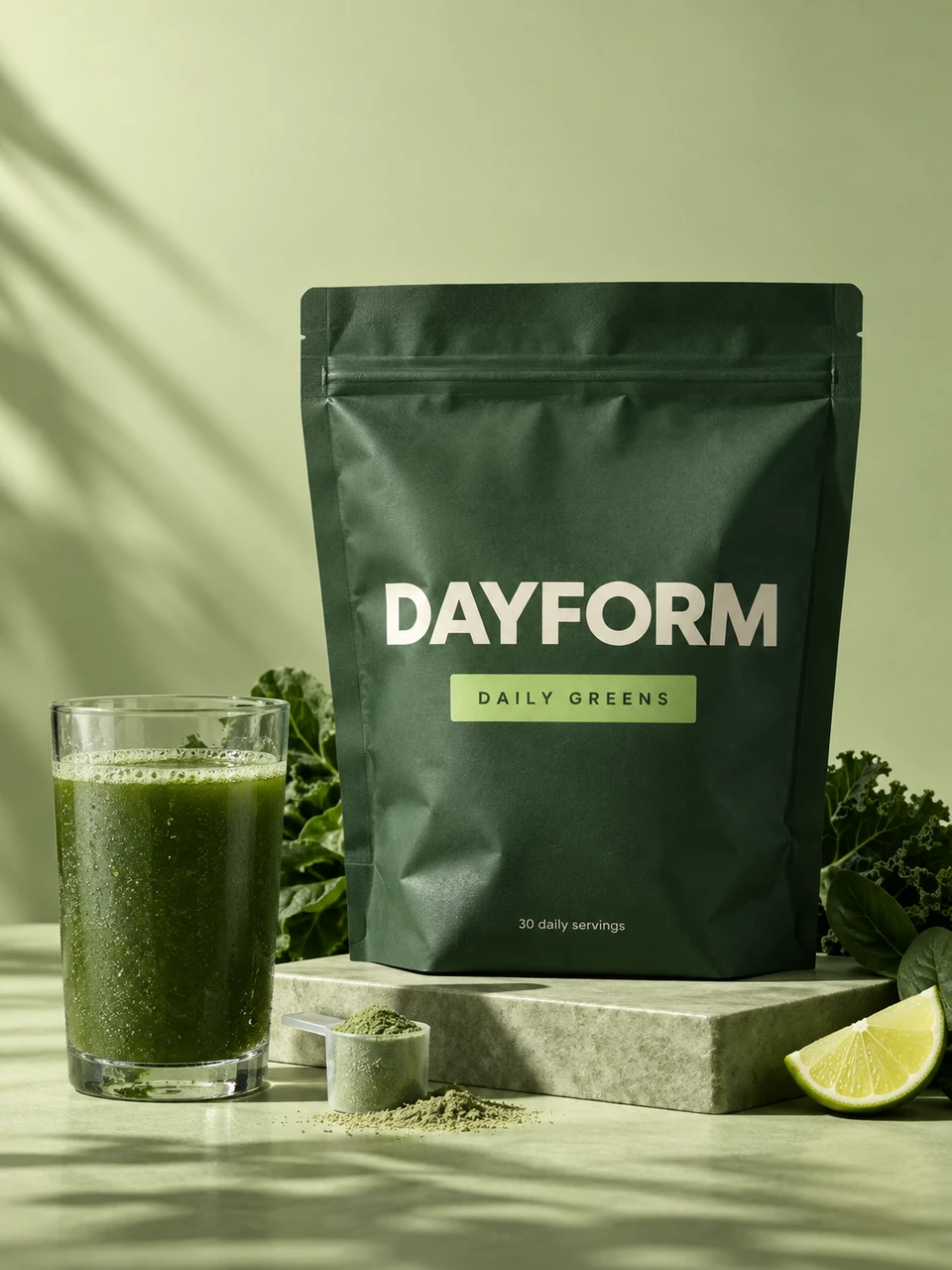
Upload the product photo once. It feeds the UGC studio, the image workbench and the video workbench so every piece of the ad shows the same packaging.
- 02
Pick a creator look
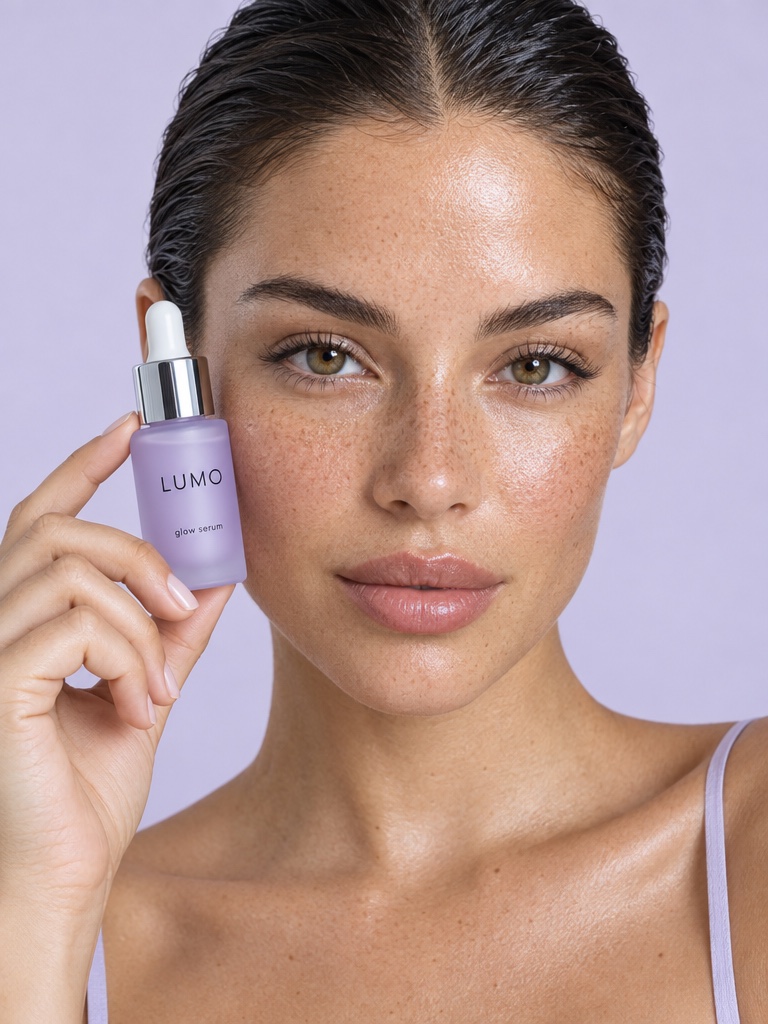
Choose a ready creator look, upload your own face or describe a creator and let Avocado design it. Saved looks are reused across every script.
- 03
Write the script and generate on Fast UGC
One message per clip: hook, product proof, offer. Attach the product and run three to five hooks at 9:16 to test which claim earns the click.
- 04
Re-run the winner on Seedance 2.5 or HD UGC
Keep the look, the product and the script, switch the engine for native audio or 1080p, and add a pack shot and voiceover from the same workspace.
- 05
Save it as a Flow and publish
Turn the set into a Flow for the next product. On Growth and Pro with Connectors, Super Agent publishes after approval or prepares paused Meta Ads drafts.
Which Avocado AI tools does AI UGC ad generator use?
7 tools cover the whole AI UGC ad generator workflow. They share one credit pool and one gallery, so nothing is exported between steps.
| Tool | Role in this workflow |
|---|---|
| UGC Studio | Creator looks, script to talking video, your product in the creator's hand |
| Brand DNA | Products, references, visual direction, tone and rules every tool reads |
| Image workbench | Prompt or edit your own product photo, up to 4 variations per run, upscale |
| Video workbench | Text to video, animate a still, start and end frames, reference and motion control |
| Audio Studio | Voiceovers, designed and cloned voices, music beds and sound effects |
| Flows | Chain steps on one canvas, run them in one click, cut a commercial in Director mode |
| Super Agent | Plans, creates on brand and publishes or schedules after your approval (Growth and Pro) |
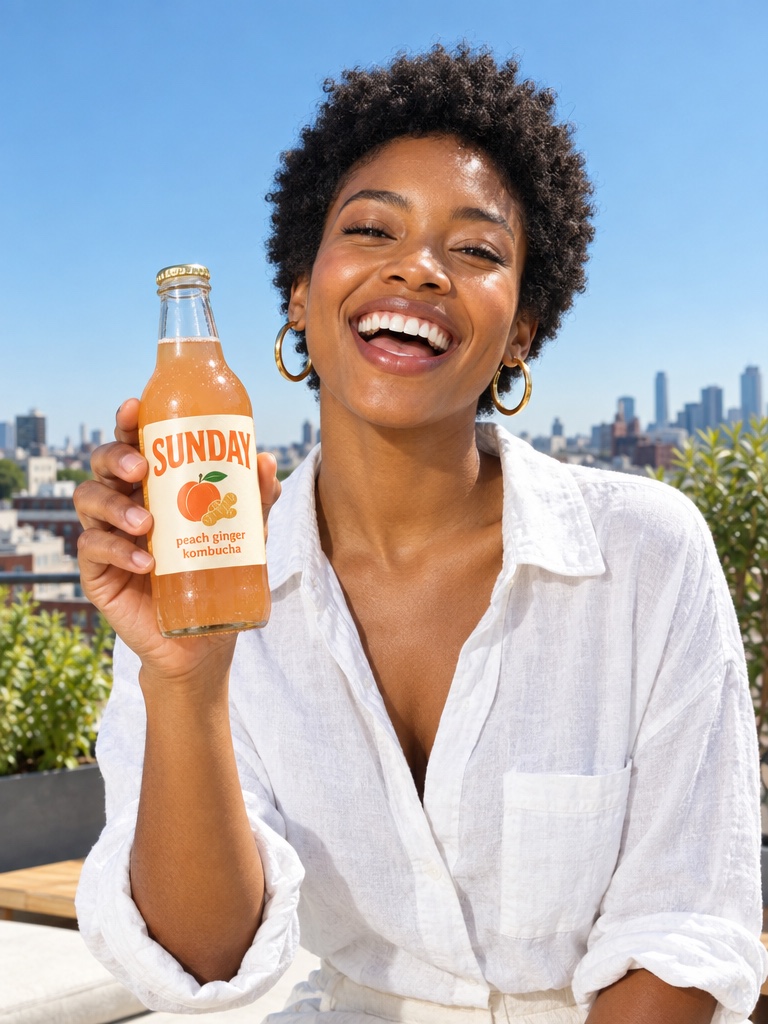
An AI UGC ad generator is software that produces user-generated-content style video ads from a script, using an AI creator instead of a hired one. The format works because a person talking to camera about a product reads as a recommendation rather than an ad. The catch for brands is the product: most generators treat it as a prompt word, so the bottle in the clip looks nothing like the bottle on the shelf. Avocado AI starts from your product photo.
How does the Avocado AI UGC ad generator work?
The Avocado AI UGC ad generator works in four inputs: a creator look, a script, a product and an engine. Pick a ready creator look from the library, upload a photo of your own face, or describe a creator and let Avocado design the look. Write the script, up to 30 seconds of speech. Attach the product photo, or pick a product you saved in Brand DNA. Choose the engine and the aspect ratio, then generate.
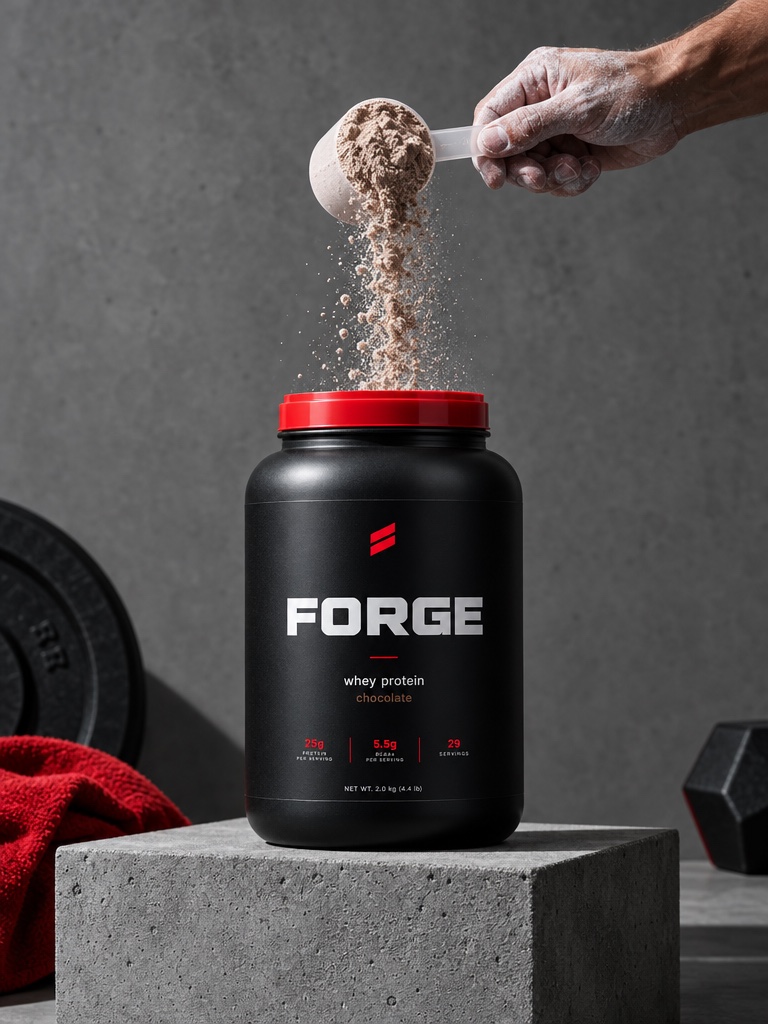
When a product is attached, Avocado first edits the creator look with GPT Image 2.5 so the creator holds the real packaging, then animates that still. Label, colors and shape come from your photo, not from a description. Review fine print on small labels before the clip goes to an ad account, because it can still drift on some runs.
Which engine makes which kind of UGC ad?
Four engines make different kinds of UGC ads. Fast UGC is the default for hook tests: look image plus script, 5 to 15 seconds, 720p or 1080p. Talking head is the lip-sync engine: the creator speaks the script with a matched voice from the library, a designed voice or your cloned voice, up to 30 seconds. Seedance 2.5 generates with native audio and more natural motion from 4 to 30 seconds at up to 1080p. HD UGC runs on MiniMax H3 MAX Turbo at 768p or 1080p for 5 to 15 second clips.
A practical sequence is to test five hooks on Fast UGC in one sitting, pick the one or two that earn clicks, then re-run those scripts on Seedance 2.5 or HD UGC for the version that scales. Same look, same product, better render.
What makes a UGC ad convert?
A UGC ad converts on the hook, the product proof and the offer, in that order. The first two seconds decide whether the viewer stays, so write the hook as a claim or a question, not a greeting. The product proof is the moment the creator holds, opens or applies the product, which is why the real packaging matters. The offer is one line at the end with the price, the bundle or the code.
Keep one message per clip. A collagen brand running three scripts, one on skin, one on joints, one on taste, learns more from three focused clips than from one clip that mentions everything. Generate the three from the same creator look so the test isolates the message.
How do I turn one clip into an ad set?
Turn one clip into an ad set by adding the pieces around it in the same workspace. The image workbench edits your product photo into studio and lifestyle stills for carousel and feed placements. The video workbench makes a cinematic pack shot with Seedance 2.5, Kling 3.0 or Veo 3.1 for the closing seconds. The Audio Studio adds a voiceover with Fish Audio S2 Pro, a cloned voice, a music bed or sound effects.
All of it runs on one credit balance and saves to one library. Flows chains the steps on a canvas and runs them in one click, so the UGC clip, the pack shot and the voiceover become a repeatable template. Swap the product and run it again for the next SKU. Director mode turns a Flow into a longer commercial on a timeline.
Can the generator publish and run the ads?
Yes, on Growth and Pro with the Connectors add-on. Super Agent plans a content calendar, creates the clips and captions in your brand, and publishes or schedules to Instagram, Facebook, TikTok, LinkedIn, Threads and X after you approve each post. It can also prepare Meta Ads drafts that start paused until you approve them. The Avocado MCP server gives Claude, ChatGPT, Codex and Cursor the same UGC, image and video tools on the same credits, so you can ask an assistant for three hooks and review them in your library.
How does Avocado AI compare with dedicated UGC ad generators?
Dedicated UGC ad generators such as Arcads, Creatify, MakeUGC and TopView center a larger actor catalog or a URL-to-video flow and stop at the clip. If your pipeline is pure talking-head testing across hundreds of faces, their catalogs are deeper. Avocado AI centers the product and the ad set: fewer stock faces, your own face when you want it, the real packaging in hand, and the stills, video and audio on the same credits. Head-to-heads are on the [Arcads alternative](/alternatives/arcads), [Creatify alternative](/alternatives/creatify), [MakeUGC alternative](/alternatives/makeugc) and [TopView AI alternative](/alternatives/topview-ai) pages.
What does an AI UGC ad cost?
Each run deducts video credits based on engine, duration and resolution, plus voice credits on the Talking head engine, from one shared balance. Saved looks and saved products are free to reuse. Avocado AI starts at EUR 19.99 a month for Intro with 100 credits, EUR 39 for Starter with 300, EUR 99 for Growth with 800 and EUR 249 for Pro with 2,000, with 20% off yearly. Editing your own product photo and Seedance 2.5 start on Starter, which makes Starter the practical plan for UGC with your real product. Credits roll over for up to a year, and every plan includes commercial rights and no watermark.