What do DTC supplement brands struggle with in ad production?
The same 5 problems come up in almost every conversation with DTC supplement brands. Each one is a reason generic AI tools stall before the ad ships.
- Every flavor, size and bundle needs its own images, video and UGC
- Prompt-only AI tools change the tub, pouch or label
- Small print such as the supplement facts panel is easy for AI to garble
- Health claims are regulated, so every script and caption needs review
- Lifestyle shoots in gyms, kitchens and studios are slow to book
Which Avocado AI features matter most for DTC supplement brands?
8 features do most of the work for DTC supplement brands. The table maps each one to the outcome it produces.
| Feature | What it does for DTC supplement brands |
|---|---|
| Image workbench | Edit your tub, pouch or bottle photo into lifestyle scenes, up to four variations per run |
| Video workbench | Product motion with Seedance 2.5, Kling 3.0 or Veo 3.1 |
| UGC studio | Creator clips where the creator holds your real product |
| Audio Studio | Voiceovers, music beds and sound effects for short ads |
| Flows | Repeat one ad for every flavor and bundle |
| Director mode | Assemble generated clips into a launch commercial with music |
| Brand DNA | Keeps products, tone and rules the same in every run |
| Super Agent | Plans and publishes supplement content after your approval |
What does work made in Avocado AI look like?
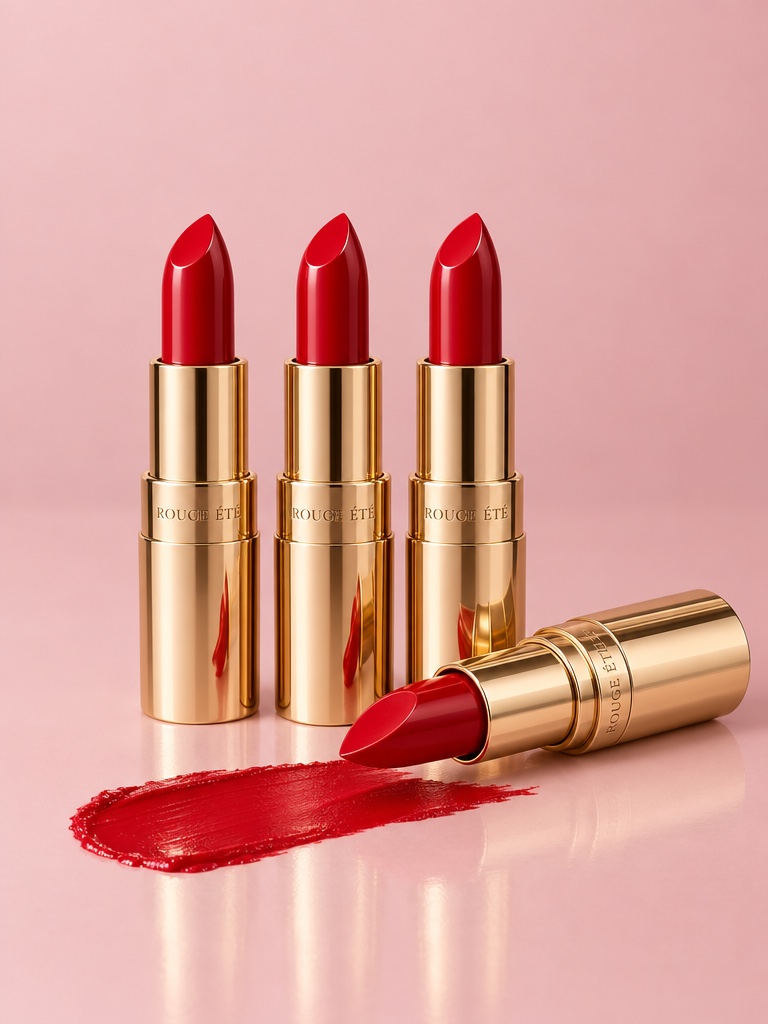
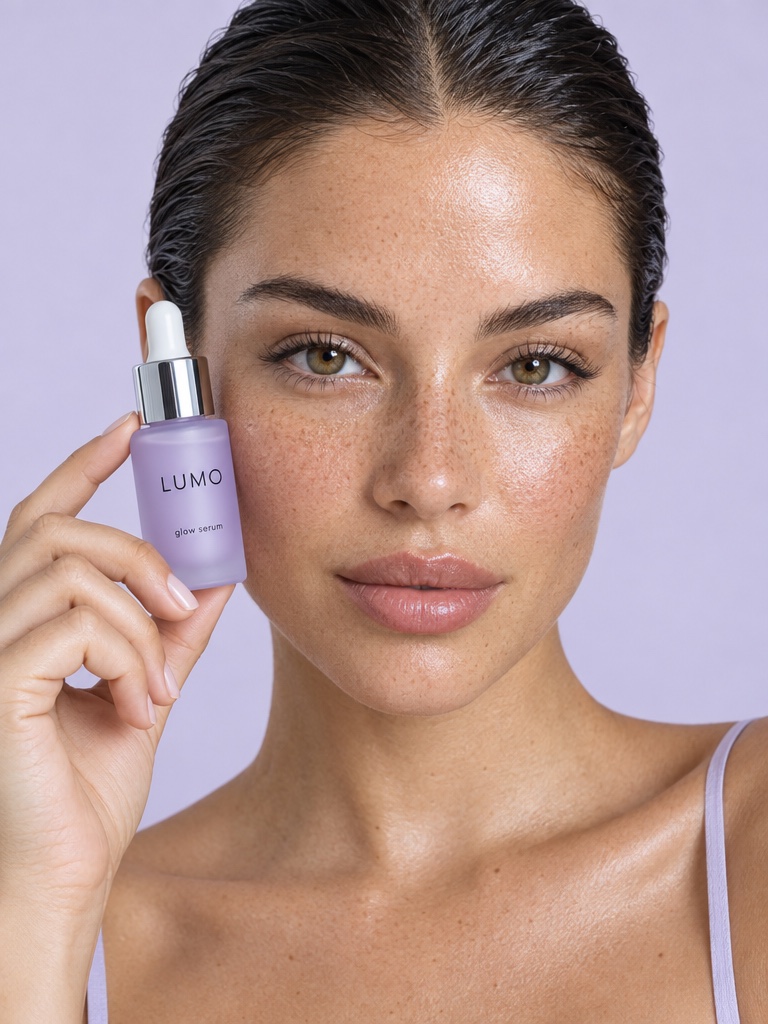
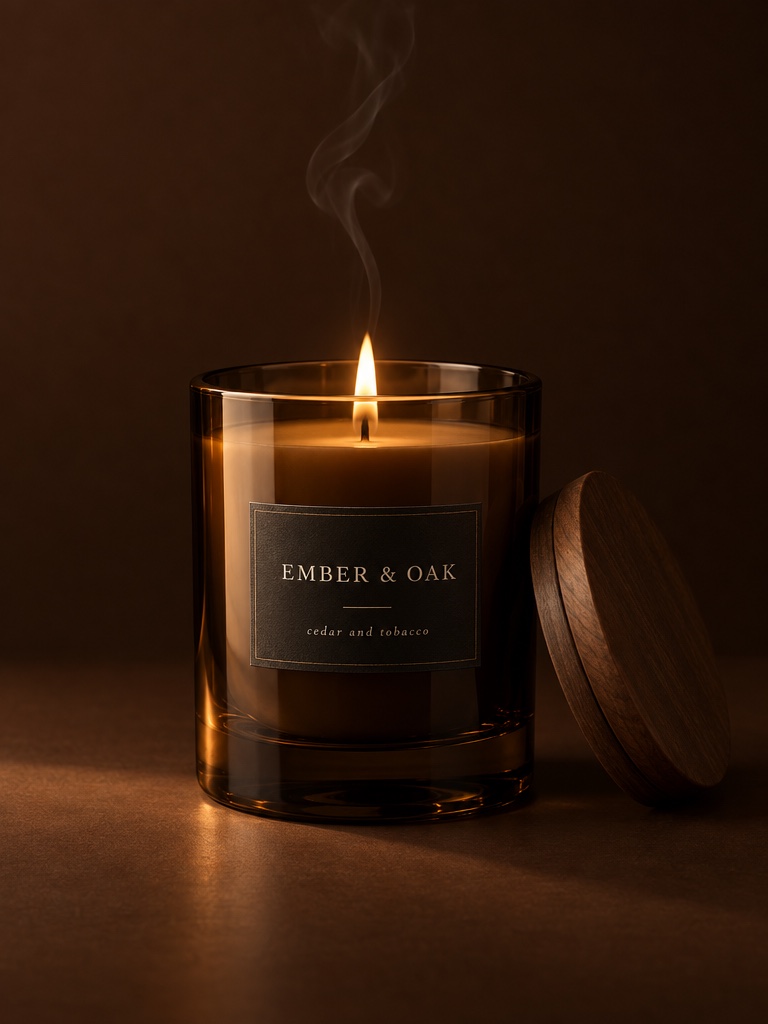
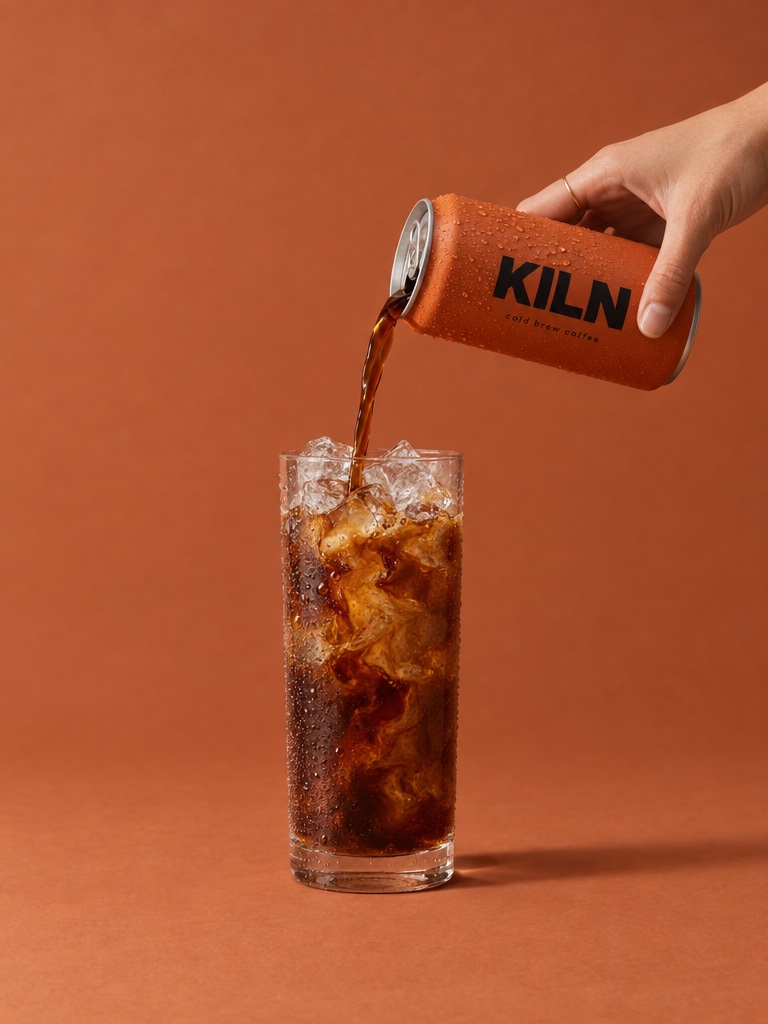
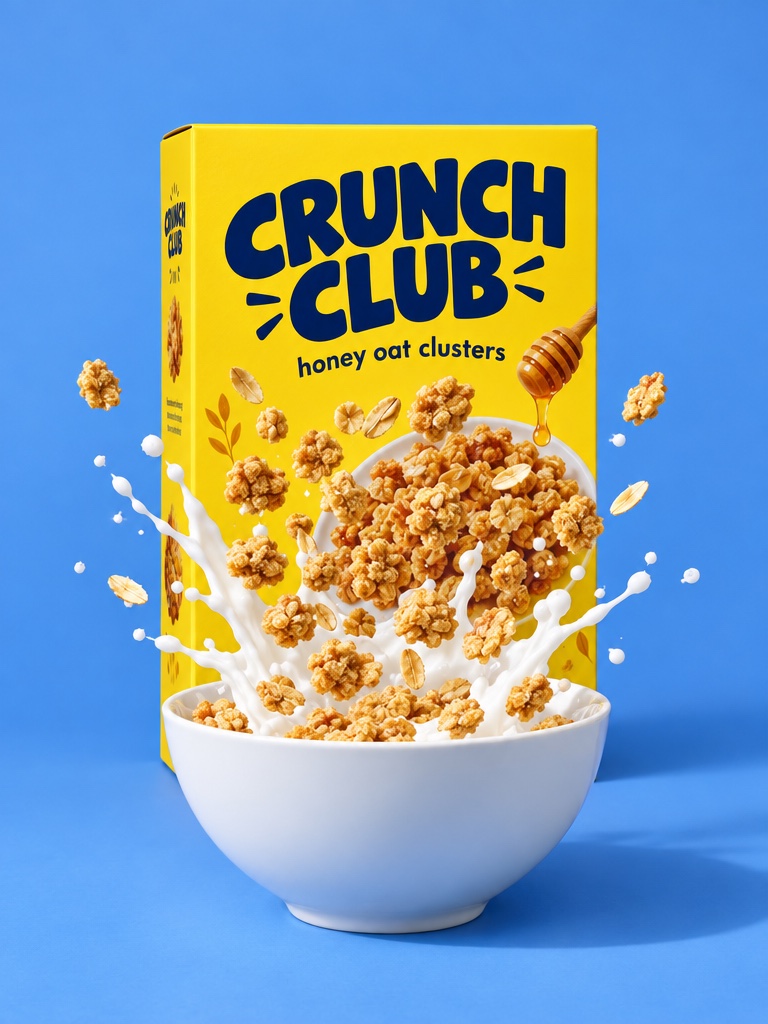
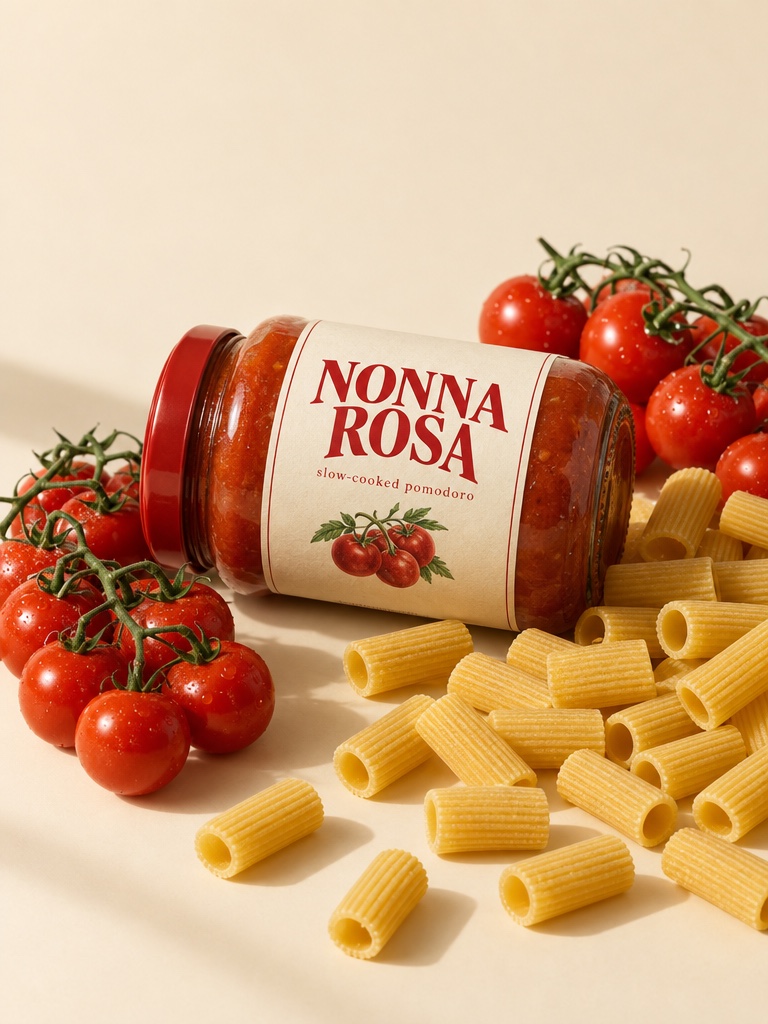
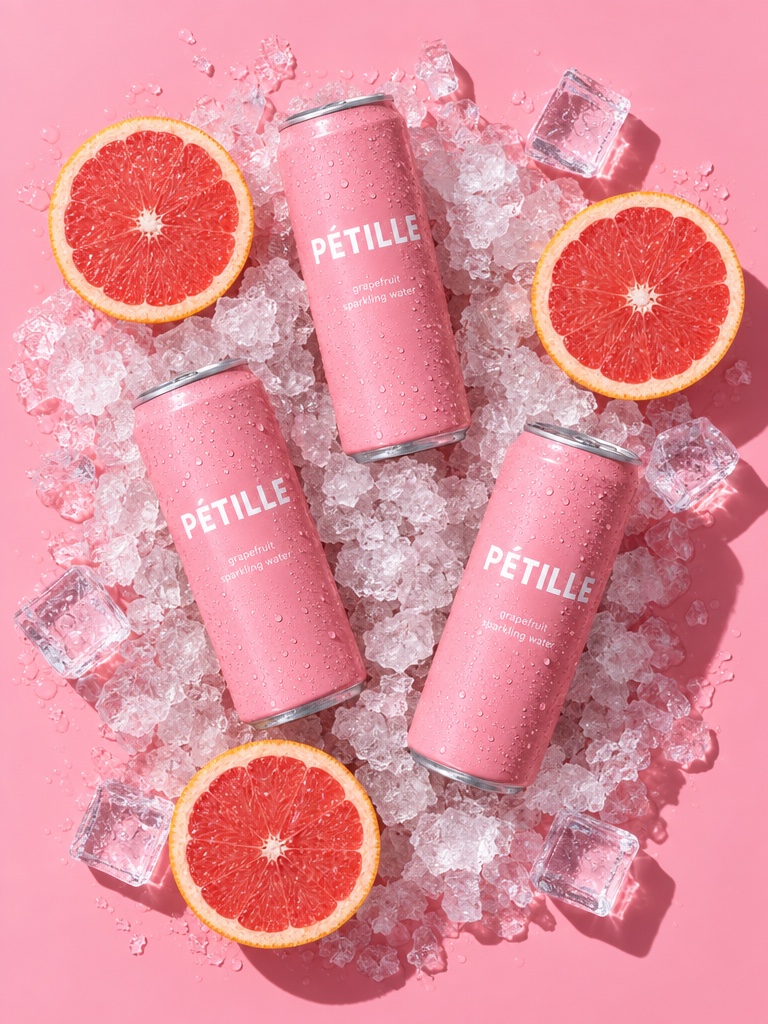
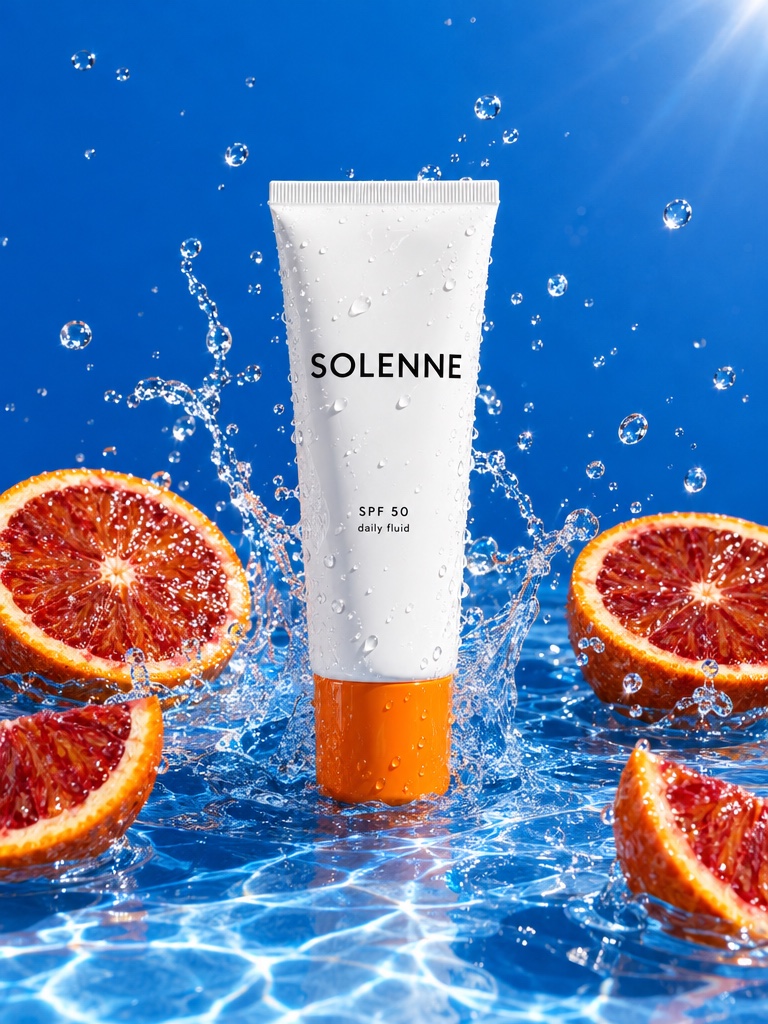
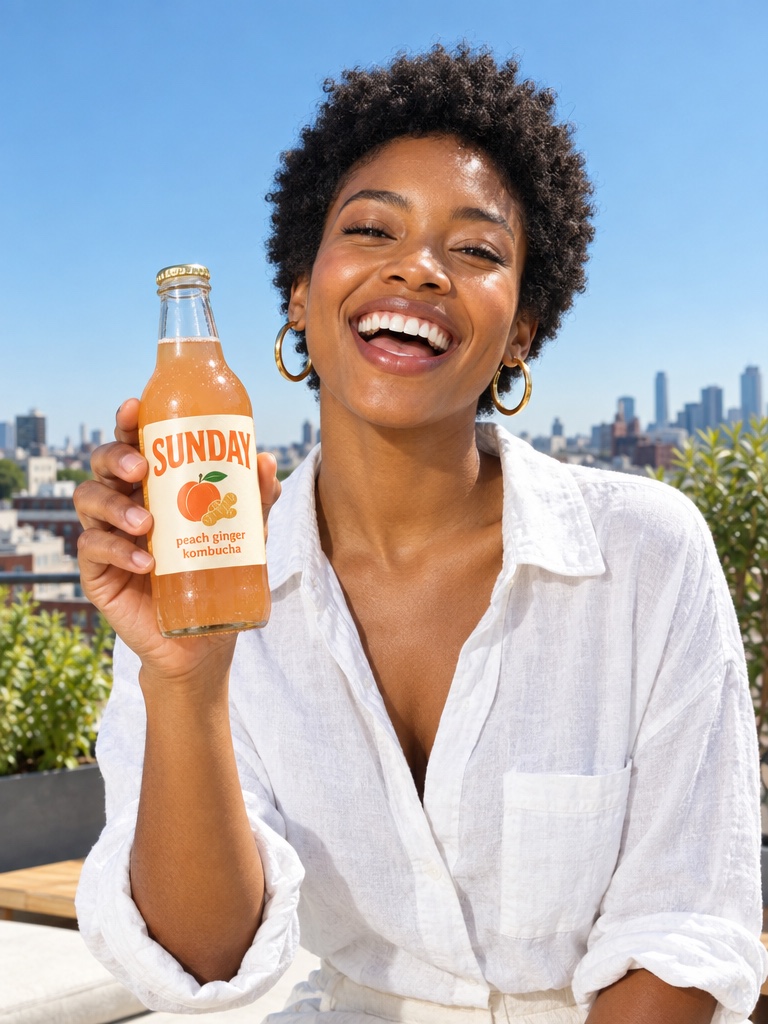
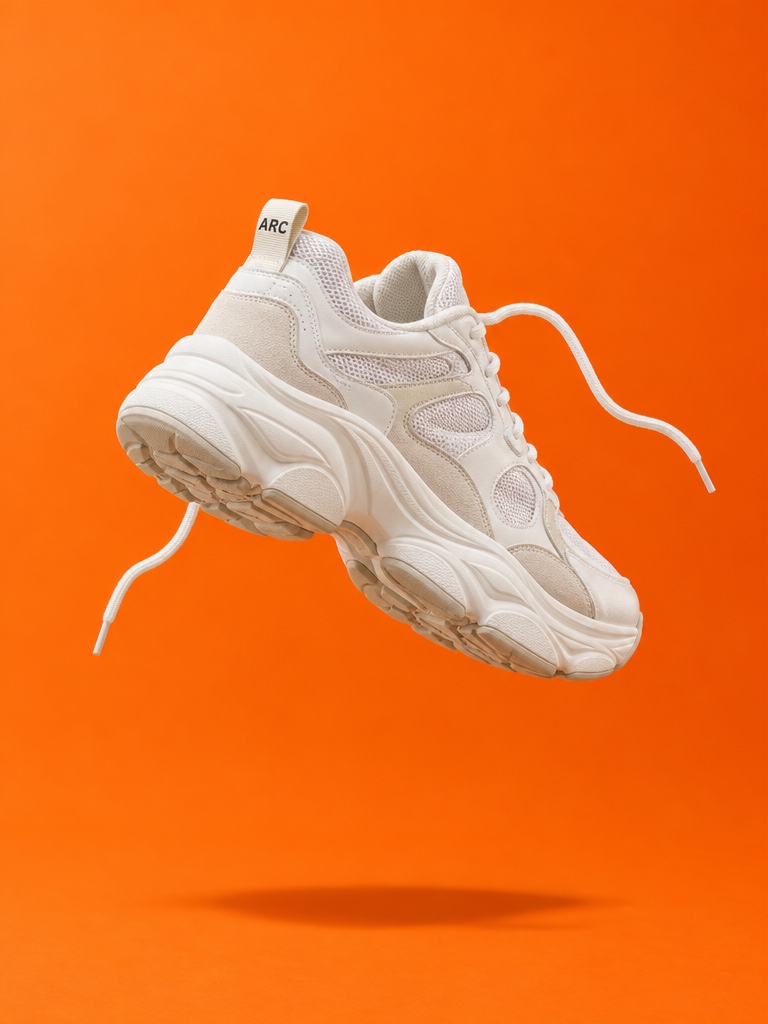
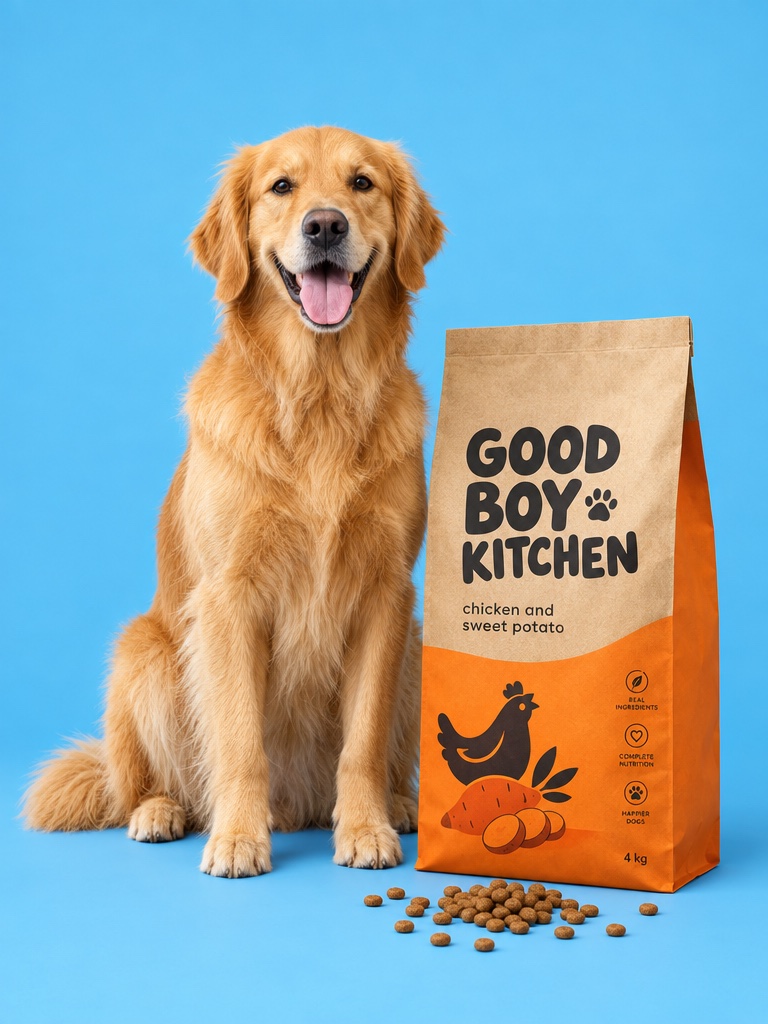
These are actual generations from the Avocado AI workspace. No stock photos, no mockups.


An AI ad tool for supplement brands is software that turns a photo of your tub, pouch or bottle into ad images, short videos and creator-style clips, so you can test more angles without a shoot for each one. Supplement creative sells through context: the gym bag, the kitchen counter, the Pilates studio, the evening routine. It also sits in a category where health claims are regulated.
What makes supplement ads hard to produce at volume?
Supplement ads are hard to produce at volume because every flavor, size and bundle needs its own images and video, the tub or pouch has to stay recognizable, and each angle needs a setting that feels real. Avocado AI handles the production side from your own product photo, on one credit balance.
A typical range might hold magnesium gummies, a greens powder in two flavors, a whey protein tub and a box of protein bars. Each one needs a pack shot, a lifestyle shot, a short video and a creator clip for paid social. That is a lot of shoots. In Avocado it is a set of edits from photos you already have.
How do you turn a photo of magnesium gummies into product ads?
With Avocado AI you upload the magnesium gummies photo to the image workbench and describe the scene: the bottle on a nightstand next to a book, a few gummies spilling onto linen, or the bottle in a hand. GPT Image 2.5 or Nano Banana 2 Edit keeps the real bottle and restyles the scene, up to four variations per run.
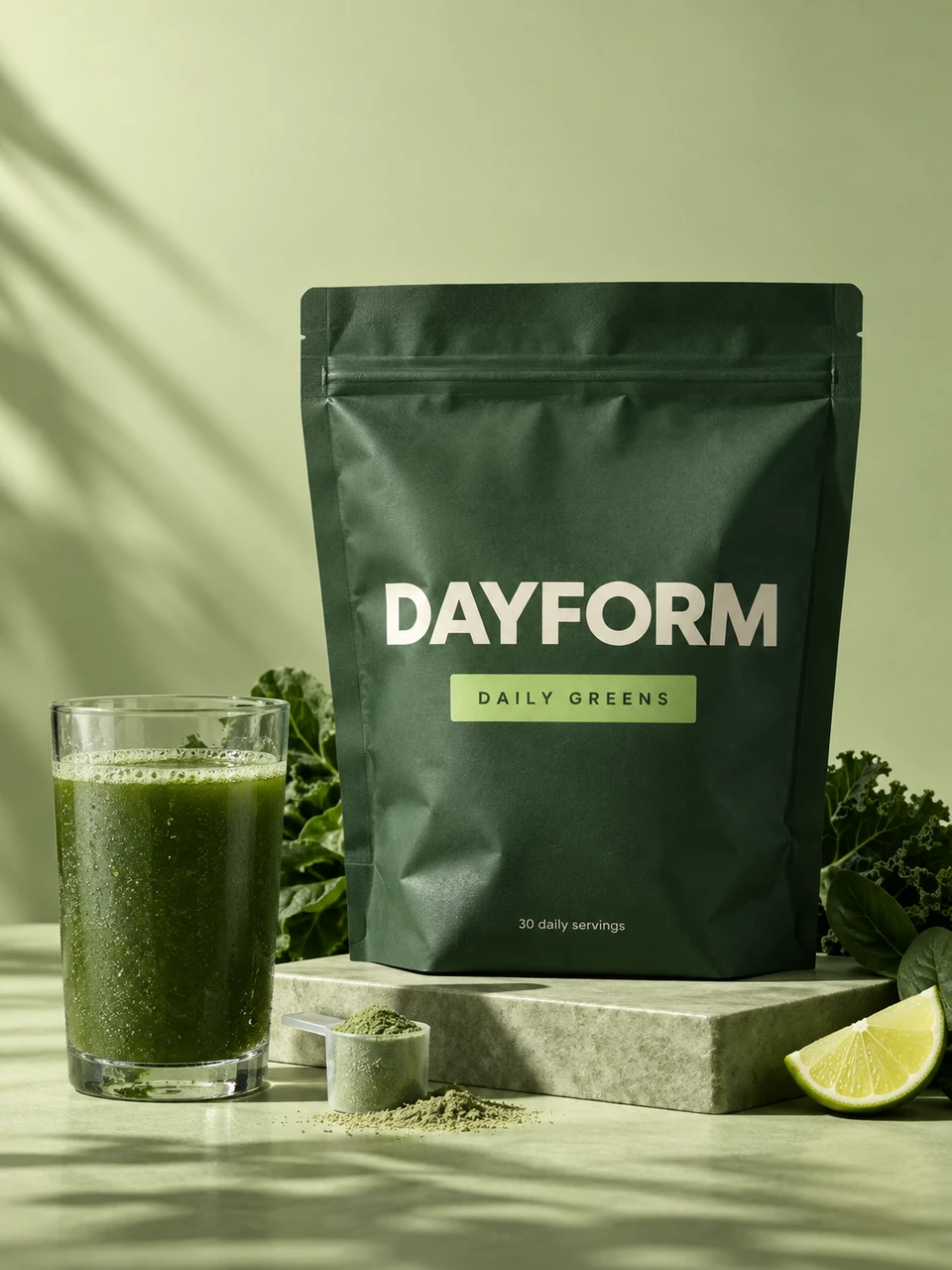
Studio presets cover common setups such as clean studio pack shots and warm lifestyle light, and upscaling finishes the ones you keep. A greens powder pouch works the same way: on a sunny counter with a glass of green drink and a scoop beside it. Editing your own product photo and upscaling start on the Starter plan.
Can AI place a protein tub in a gym or Pilates setting?
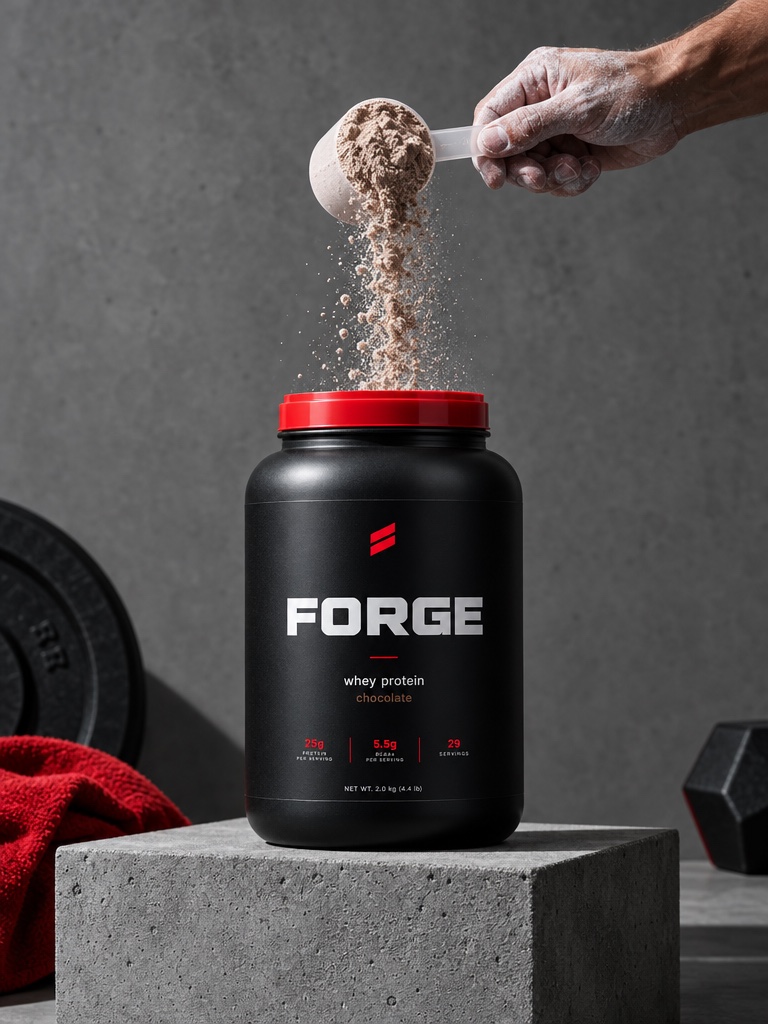
Yes. Avocado AI edits your whey protein tub or protein bar photo into lifestyle settings such as a gym bench, a locker room shelf, a kitchen counter with a shaker, or a bright Pilates studio next to a reformer, while keeping the real packaging. Nano Banana 2 Edit accepts up to 14 reference images for difficult angles.
Supplement packs are full of small print, from the supplement facts panel to the serving size. AI can blur or change that text, so treat the front of pack as the hero, check every result at full size, and use your real photo of the back panel wherever the facts need to be readable.
How do you make a supplement video ad and UGC?
A supplement video ad in Avocado AI starts from an approved still. The video workbench animates it with Seedance 2.5, Kling 3.0 or Veo 3.1, for example a scoop of greens powder swirling into water. The UGC studio adds creator clips: pick a look, write the script, attach the product, and the creator holds your real bottle.
Seedance 2.5 makes clips from 4 to 30 seconds at up to 1080p, Kling 3.0 goes up to 4K, and Veo 3.1 adds native audio. For UGC, Avocado first edits the creator look with GPT Image 2.5 so your product is in their hand, then animates it with Fast UGC, a talking head with a matched voice, Seedance 2.5 with native audio, or HD UGC on MiniMax H3 MAX Turbo, in 9:16, 1:1 or 16:9 and up to 30 seconds. Audio Studio adds voiceovers with Fish Audio S2 Pro as the default voice model, plus music beds and sound effects.
How should supplement brands handle health claims in AI ads?
Supplement brands should keep every claim in an AI ad to what their label and approved marketing copy already allow, because health claims on supplements are regulated. Avocado AI makes the images, video and voice; it does not decide which claims are permitted, and it will not supply health claims for you to rely on.
A practical habit is to write UGC scripts around routine and experience, such as when someone takes the product and how it fits their day, using wording your team has already approved. Rules differ by country and platform, so check with your own adviser when unsure. Nothing on this page is legal advice.
How do you repeat one supplement ad for every flavor and bundle?
Flows repeat one supplement ad for every flavor and bundle. Build the ad once on a canvas of prompt, image, video, voice and music steps, then run every step again with the next flavor's photo swapped in. The prompts and settings stay the same, so the whole range looks consistent. Flows are on every paid plan.
Teammates and agency partners can work on the same canvas in real time, leave comments and approve through a share link. Director mode turns a Flow into a full commercial on a timeline with music, assembled from the clips you generated. Brand DNA keeps your products, references, visual direction, tone and rules in one place for every run.
Can Super Agent plan and post supplement content?
Super Agent, on Growth and Pro, plans a supplement content calendar, creates images, video and captions in your brand, and publishes or schedules to Instagram, Facebook, TikTok, LinkedIn, Threads and X after your approval. Publishing and Meta Ads need the paid Connectors add-on, and Meta Ads drafts always start paused until you approve them.
Since every post waits for your approval, your team still reads every caption for claims before it goes live. Projects keep each launch, such as a new gummy flavor, in its own room with its brief, products and approved work, and you can talk to Super Agent on the web, in Slack or in Telegram.