What does the UGC ads without influencers workflow look like step by step?
The 5 steps below are the workflow teams run inside Avocado AI, from the first product photo to the exported variant set.
- 01
Save your product and rules in Brand DNA
Upload the product photo, references, tone and the claims you are allowed to make. Every run reads them.
- 02
Choose who is on camera
A ready creator look, your own face from a portrait photo, or a creator you describe and let Avocado design.
- 03
Write customer-style scripts
One claim, one demonstration, one offer per clip. Draft three to five hooks, attach the product and run them on Fast UGC at 9:16.
- 04
Re-render the winners
Switch the best scripts to Seedance 2.5 or HD UGC, and add a pack shot, a voiceover and a music bed from the same workspace.
- 05
Repeat per product and publish
Save the set as a Flow and run it for the next SKU. On Growth and Pro with Connectors, Super Agent publishes after approval.
Which Avocado AI tools does UGC ads without influencers use?
6 tools cover the whole UGC ads without influencers workflow. They share one credit pool and one gallery, so nothing is exported between steps.
| Tool | Role in this workflow |
|---|---|
| UGC Studio | Creator looks, script to talking video, your product in the creator's hand |
| Brand DNA | Products, references, visual direction, tone and rules every tool reads |
| Audio Studio | Voiceovers, designed and cloned voices, music beds and sound effects |
| Video workbench | Text to video, animate a still, start and end frames, reference and motion control |
| Flows | Chain steps on one canvas, run them in one click, cut a commercial in Director mode |
| Super Agent | Plans, creates on brand and publishes or schedules after your approval (Growth and Pro) |
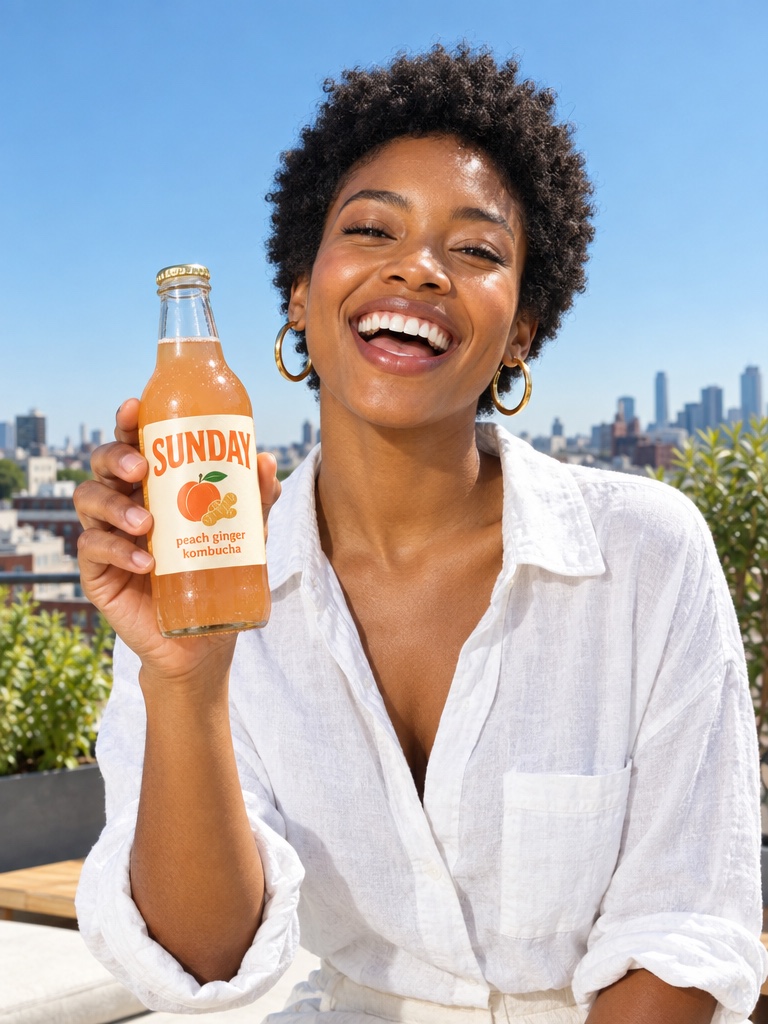
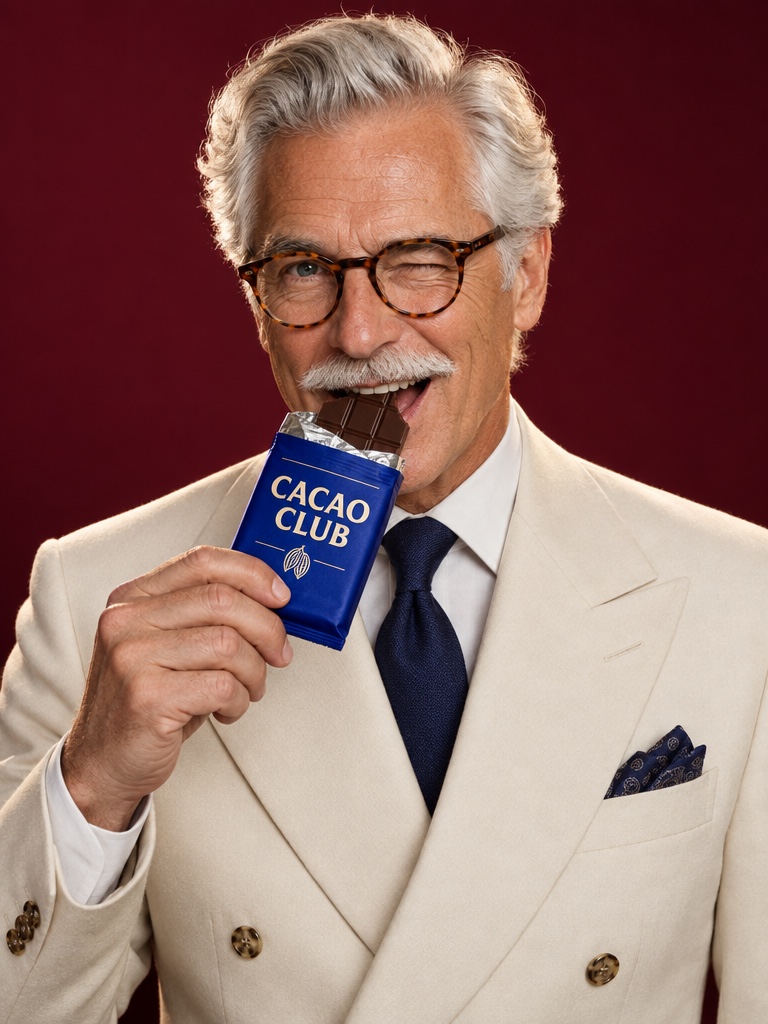
UGC ads without influencers are creator-style ads that a brand produces in-house instead of sourcing from paid creators. The format still looks like a person recommending a product to camera. What changes is who is on screen and how long it takes: an AI creator or your own face, generated in minutes, instead of a creator brief, a shipped product, a two-week wait and a usage-rights negotiation. For hook testing and product variants, that trade is usually worth it.
Why do brands want UGC ads without influencers?
Brands want UGC ads without influencers because the influencer process is slow, expensive and hard to control. A typical creator batch means finding people, sending briefs, shipping product, waiting two to three weeks, paying per video and then negotiating rights for paid usage. The output is a handful of clips, and if the hook is wrong you start over. A brand testing ten angles a week cannot run on that cadence.
The message is the other reason. Creators improvise, and improvisation is great for authenticity and bad for compliance. A supplement brand that needs the claim to stay inside what the label says cannot have ten creators each saying it differently. An AI creator says exactly the script you wrote.
How does Avocado AI make UGC ads without creators?
Avocado AI makes UGC ads from four inputs in the UGC studio: a creator look, a script, a product and an engine. The look can be a ready creator from the library, a photo of your own face or a creator you design from a description. The script is what the creator says. The product is a photo, or a product saved in Brand DNA. The engine decides the render.
When you attach a product, Avocado first edits the creator look with GPT Image 2.5 so the creator holds the real packaging, then animates that still in 9:16, 1:1 or 16:9. The bottle in the clip is your bottle. Review fine print on small labels before launch, because it can still drift on some runs.
Which engine fits which ad?
Fast UGC is the default for hook tests: look image plus script, 5 to 15 seconds, 720p or 1080p. Talking head is lip-sync with a voice from the library, a designed voice or your cloned voice, up to 30 seconds, which suits founder-led ads where the voice should be yours. Seedance 2.5 adds native audio and more natural motion from 4 to 30 seconds at up to 1080p. HD UGC runs on MiniMax H3 MAX Turbo at 768p or 1080p for 5 to 15 second clips.
Test wide on Fast UGC, then re-run the winners on Seedance 2.5 or HD UGC. The look, product and script stay fixed, so the test isolates the message.
What about authenticity?
Authenticity is the honest tradeoff. A real customer or a known creator carries trust that a generated face does not, and some story-led ads should stay human. Three things close most of the gap for performance creative. Use your own face or your team's faces, which Avocado supports by uploading a portrait. Keep the real product in hand, so the proof moment is real. And write scripts the way customers talk, with one claim, one demonstration and one offer, rather than a brand voiceover read by a person.
Many brands run both: a few human hero ads a quarter and a weekly AI set for hooks, variants and localization, all showing the same product. For a comparison with a managed human UGC service, see the [Icon alternative](/alternatives/icon) page.
How do I turn the clips into a full ad set?
The clip is one piece. The image workbench turns your product photo into studio and lifestyle stills for carousels and feed. The video workbench makes a cinematic pack shot with Seedance 2.5, Kling 3.0 or Veo 3.1. The Audio Studio adds a voiceover with Fish Audio S2 Pro, a cloned voice, a music bed and sound effects. Brand DNA keeps products, references, tone and rules on every run.
Everything lands in one library on one credit balance. Flows chains the UGC clip, the pack shot and the voiceover on a canvas and runs them in one click, so the set repeats for the next product. On Growth and Pro with the Connectors add-on, Super Agent publishes or schedules to Instagram, Facebook, TikTok, LinkedIn, Threads and X after your approval and prepares paused Meta Ads drafts.
Do I own the ads?
Yes. Every Avocado AI plan includes commercial rights and no watermark, so the clips can run in paid social, on product pages and in email without a usage-rights negotiation or an expiry date. You remain responsible for the claims in your script, and each ad platform reviews ads under its own policies. Disclose AI-generated content where a platform or a market requires it.
What does it cost compared with influencers?
Each UGC run deducts video credits based on engine, duration and resolution, plus voice credits on the Talking head engine, from one shared balance. Avocado AI starts at EUR 19.99 a month for Intro with 100 credits, EUR 39 for Starter with 300, EUR 99 for Growth with 800 and EUR 249 for Pro with 2,000, with 20% off yearly. Editing your own product photo and Seedance 2.5 start on Starter, the practical plan for UGC with your real product. Against a creator batch priced per video plus shipping and rights, a month of Starter covers a weekly test set with credits left for stills and voice.