What does Avocado AI do that Recraft does not?
Each row is a capability teams cite when they move off Recraft. The left column is the difference, the right column is what it changes in day-to-day ad production.
| Difference | Why it matters |
|---|---|
| Recraft v4.1 inside Avocado, next to the rest | Use Recraft v4.1 and its Vector variants for illustration, GPT Image 2.5 and Nano Banana 2 for photoreal product stills. One credit balance, one library. |
| Product accuracy from your real photos | Edit from your own product photos with up to 14 references. Brand DNA and remembered products carry the label, packaging and tone into every generation. |
| Video models picked per cut | Seedance 2.5, Kling 3.0, Veo 3.1, MiniMax H3 MAX and Gemini Omni Flash run in the video workbench. Animate an approved still as the first frame. |
| UGC and audio in the same Studio | The UGC studio puts your product in a creator's hand. Audio Studio covers Fish Audio S2 Pro voices, voice cloning, music beds and sound effects. |
| Flows and Super Agent | Chain every step on a shared canvas with Director mode on every paid plan. On Growth and Pro, Super Agent plans and publishes to six platforms after approval. |
| Commercial rights on every plan | Every Avocado plan from EUR 19.99 per month includes commercial rights for paid ads and Shopify, with no watermarks. |
How do I move from Recraft to Avocado AI?
Migration takes 4 steps and no export tooling: your product photos and brand assets are the only inputs Avocado AI needs.
- 01Day one, set up Brand DNA: upload your product photos, references, tone and rules so every run starts from your real brand.
- 02Day two, rebuild your key illustration styles with Recraft v4.1 in the image workbench and add a product still edited from your real packshot next to each frame.
- 03Day three, add the cinematic pack shot with Seedance 2.5 and the social cut with Kling 3.0, then add a voiceover and a music bed from Audio Studio.
- 04Day four, chain the steps in a Flow, cut the commercial in Director mode, and share the Flow with the team for comments and sign-off.
Recraft owns the AI vector and brand illustration lane. The style consistency across a set, the brand-set feature that lets a designer publish a coherent visual identity, and the SVG output that survives a real design pipeline are all reasons in-house design teams adopted it. We run Recraft models inside Avocado for exactly those cases. The disagreement is whether a whole brand campaign should live inside an illustration-first tool.
A 7-figure DTC brand campaign uses a hero shot of the product, a stylized social cut, illustration frames where they support the visual identity, a UGC clip, a voiceover, a music bed, and the posts themselves. Recraft covers the illustration lane beautifully. The rest of the pipeline still needs to happen somewhere.
The Recraft v4.1 family inside Avocado, next to the rest
Avocado's image workbench includes Recraft v4.1 with its Vector, Pro, Pro Vector, Utility and Utility Pro variants (Recraft v3 is still in the picker too). Next to them sit GPT Image 2.5 Flare, the default model, plus GPT Image 2.5 Sunburst, Nano Banana 2, Seedream 5.0 Pro, Soul 2, Krea v2, Luma Uni-1 Max, Flux 2 Flex and Ideogram v3. Recraft for vector and illustration. GPT Image 2.5 and Nano Banana 2 for photoreal product and type-heavy layouts. Soul 2 and Seedream 5.0 Pro for lifestyle and stylized brand art. You stop choosing between tools and start using the right model per cut, on one credit balance.
Product accuracy from your real photos
Recraft brand sets are excellent for illustration style consistency. They do not solve product-level accuracy for a real bottle on a real shelf.
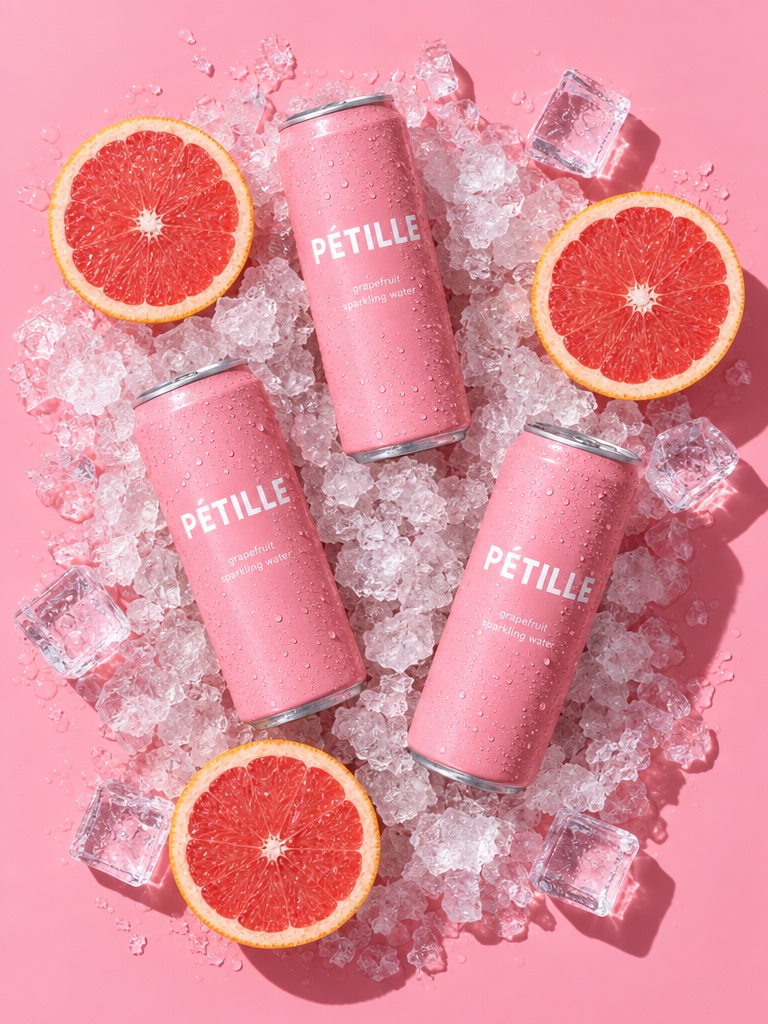
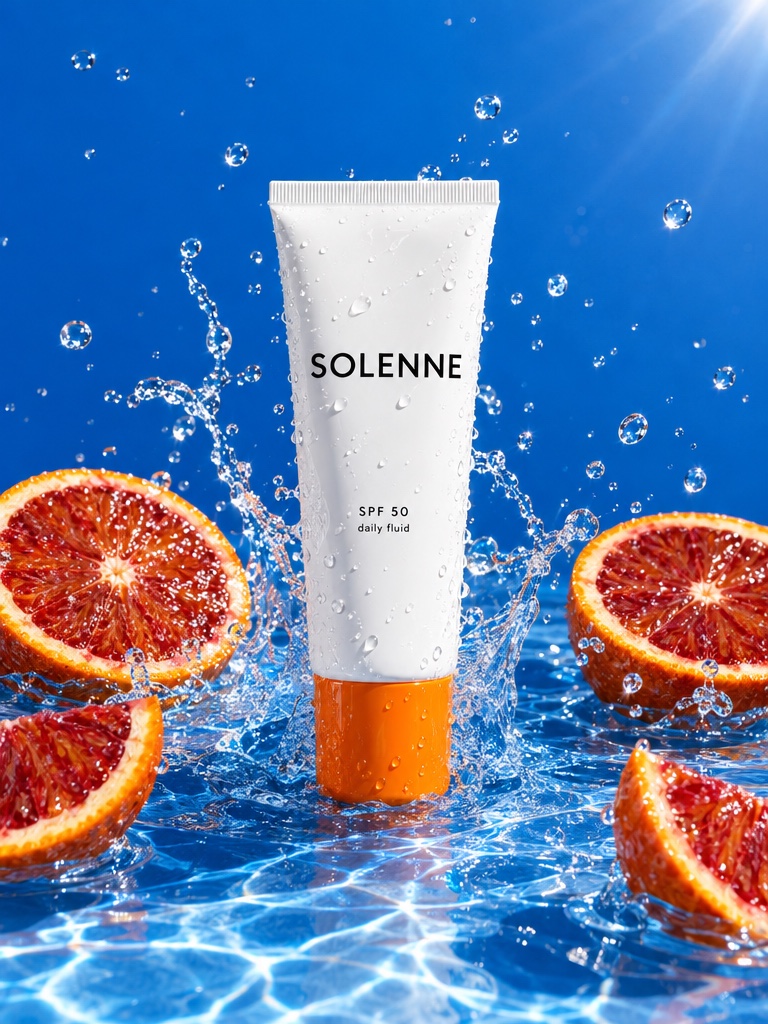
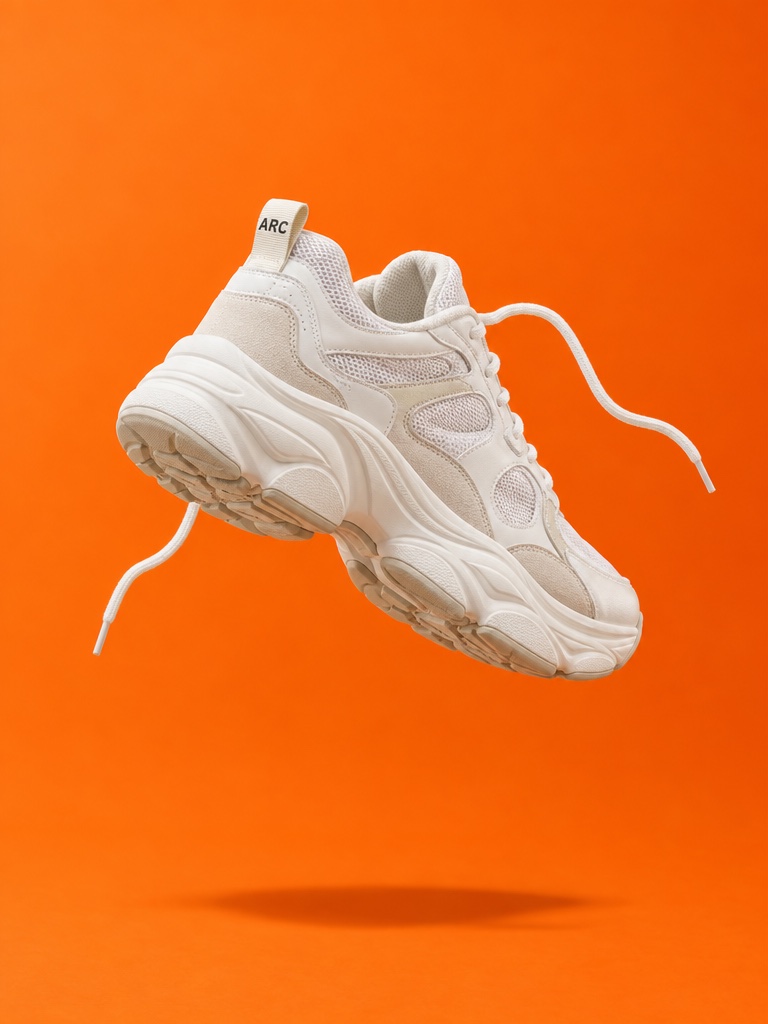
Avocado handles that by starting from your real product photos. Nano Banana 2 Edit takes up to 14 reference images and GPT Image 2.5 edits the photo you upload, so the label, shape and colors come from the actual product instead of being re-imagined. Brand DNA stores your products, reference images, visual direction, tone and rules once and applies them across Studio, Flows and Super Agent, and you can lock a brand visual style. The approved still then becomes the first frame of a video clip, so the product carries into motion. Illustration consistency and product accuracy are two different problems, and both live in the same place.
Video, UGC, audio and finishing
Recraft is image first. A real ad needs cinematic b-roll, a stylized social cut, a talking UGC clip, a voiceover, a music bed and a finished pass.
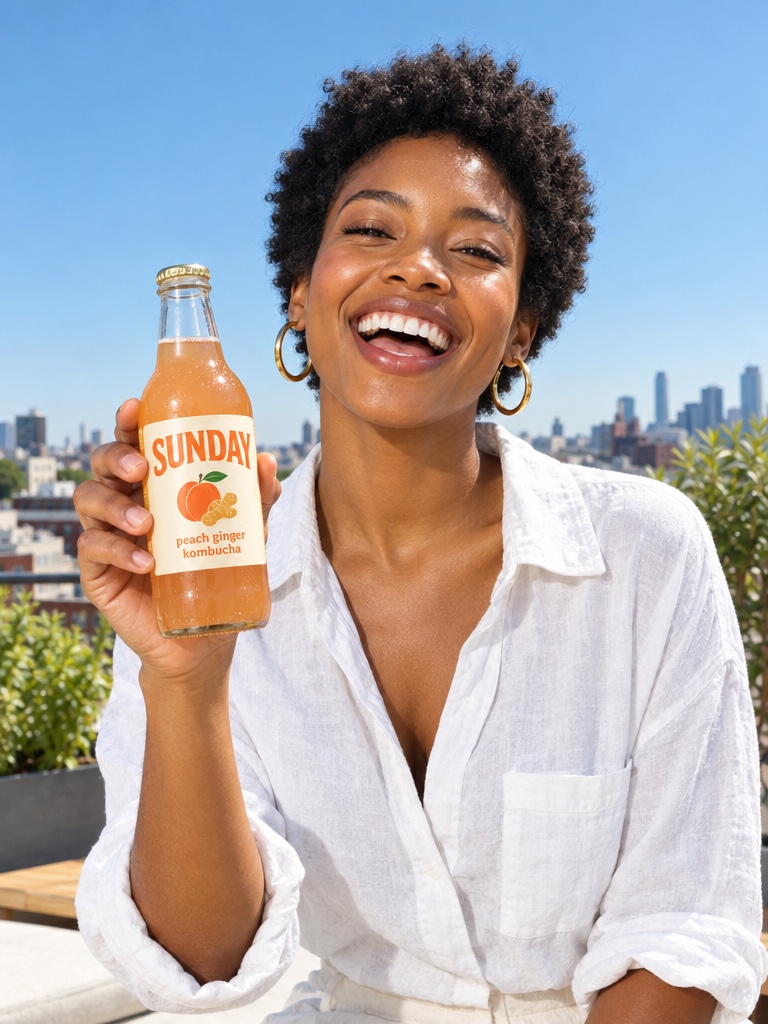
Avocado's video workbench runs Seedance 2.5 for clips up to 30 seconds, Kling 3.0 for stylized 9:16 social cuts, Google Veo 3.1 for brand films, plus MiniMax H3 MAX and Gemini Omni Flash, with animate-a-still, start and end frames and motion control. The UGC studio turns a creator look and a script into a talking video with your product in the creator's hand. Audio Studio covers voiceover with Fish Audio S2 Pro as the default voice, voice design, voice cloning, music beds and sound effects.
Flows, a shared canvas with Director mode
Recraft is mostly single player. Each user logs in, generates, exports.
Avocado runs Flows, an infinite canvas where you chain prompt, image, video, music and voice nodes and run every step in one click. Founder, designer and agency partner work on the same Flow with real-time collaboration and comments. Switch the Flow to Director mode and the outputs become a commercial: cast, location and beat references, a timeline, and the cut assembled with music. Flows is on every paid plan.
Super Agent for the posting cadence
On Growth and Pro, Super Agent plans a month of posts in one chat, creates on-brand images, videos, music and captions from your Brand DNA and Memory, and publishes or schedules them to Instagram, Facebook, TikTok, LinkedIn, Threads and X, every post after your approval. Publishing and Meta Ads need the Connectors add-on. If your team already works in Claude, Codex or Cursor, the Avocado MCP server exposes the same generation tools there.
Pricing
Recraft lists Free, Basic at twelve dollars per month, Advanced at thirty-three dollars per month, and Pro at sixty dollars per month (per recraft.ai/pricing, May 2026). Credits scale by tier within the Recraft image suite. Vector and SVG outputs are tier-gated.
Avocado starts at EUR 19.99 per month on Intro with 100 credits. Starter is EUR 39 with 300 credits and adds editing and upscaling, Growth is EUR 99 with 800 credits and adds Super Agent and team sharing, and Pro is EUR 249 with 2,000 credits. Every plan includes commercial rights and no watermarks, and one credit balance covers image, video, UGC, music and voice. For a team that needs illustration plus product stills plus video plus audio, one Avocado plan often replaces Recraft plus three or four other tools.
What changes in week one
On the illustration side, the move is mostly familiar because Recraft v4.1 and its Vector variants are already in Avocado's picker. You rebuild your key illustration styles with the same model family and your brand references. The new pieces are photoreal product stills edited from your real packshots, the video models for the motion cuts, and the shared canvas. Teams notice the workflow change by the third variant, when the brand illustration sits next to an accurate product hero and a social motion cut in the same Flow.
The other change is finishing. Recraft exports usually land in a design pipeline (SVG into Figma, raster into a separate editor). Inside Avocado, Director mode assembles the commercial with music, and on Growth and Pro, Super Agent can take the approved assets all the way to a scheduled post.
Honest tradeoff
We will not claim Avocado wins every category. Recraft remains the dedicated leader on AI vector and brand illustration, especially for an in-house design team that has invested in a brand-set system and ships SVG output directly into a design pipeline. That lane is real. What Avocado does is run Recraft models as one part of a brand system, next to current image and video models, UGC, audio and a shared canvas, so the same team that makes the brand illustration also ships the hero shot, the cinematic cut and the finished post.