What does Avocado AI do that HeyGen does not?
Each row is a capability teams cite when they move off HeyGen. The left column is the difference, the right column is what it changes in day-to-day ad production.
| Difference | Why it matters |
|---|---|
| creators holding your real product | Avocado AI edits the creator look so it holds your actual product before animating it, which suits product ads more than a presenter avatar. |
| images, video and audio on one credit pool | Product stills, video from a still, UGC, voiceovers, music and sound effects all draw from the same credits and land in one library. |
| several engines for UGC | Choose Fast UGC, a lip-sync talking head, Seedance 2.5 with native audio or HD UGC on MiniMax H3 MAX Turbo, in 9:16, 1:1 or 16:9. |
| the same ad for every product | Flows lets you build a UGC ad once and run it again for the next product or client, with comments and share links for review. |
How do I move from HeyGen to Avocado AI?
Migration takes 5 steps and no export tooling: your product photos and brand assets are the only inputs Avocado AI needs.
- 01Keep HeyGen for digital twins, training video and translation if you rely on them.
- 02Add your products, references, tone and rules to Brand DNA in Avocado AI.
- 03In the UGC studio, pick a creator look, attach a product and paste one of your best scripts.
- 04Test the script on two engines and keep the version that sounds most natural.
- 05Save the steps as a Flow so every new product gets the same UGC ad.
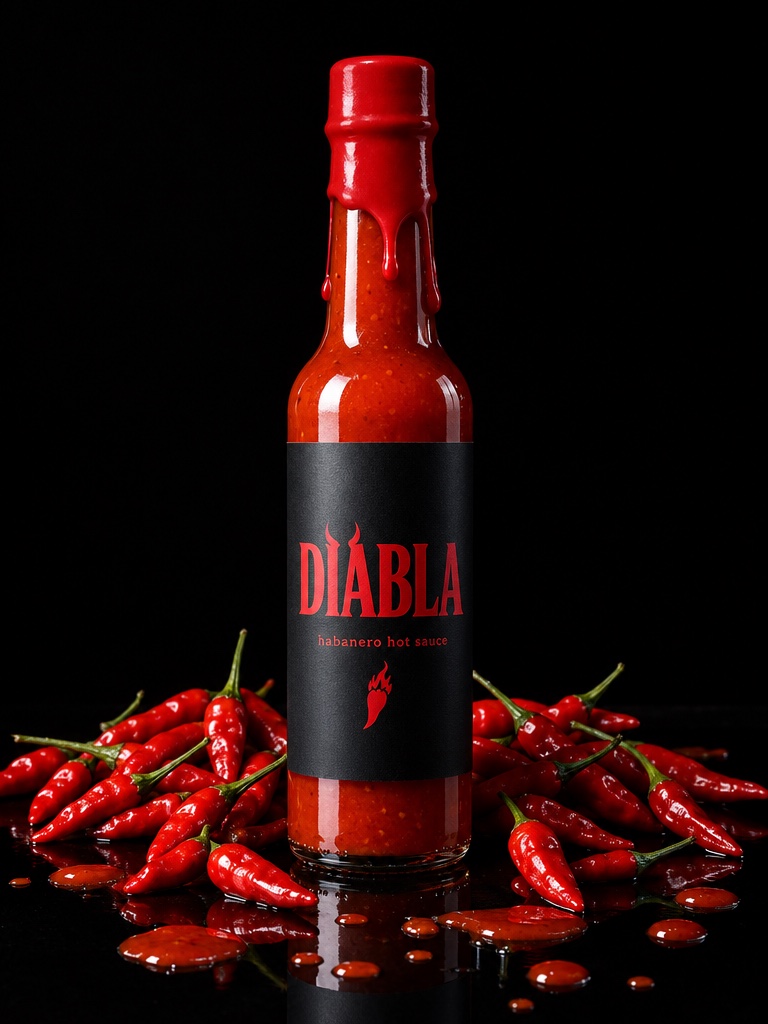
A HeyGen alternative is a tool teams consider when they want AI video with people in it but need something HeyGen is not centered on. HeyGen is built around lifelike avatars, digital twins and video translation. Avocado AI is built around the product: the bottle, the tub, the box. For a DTC brand, that difference decides which tool makes the ad.
What is the main difference between HeyGen and Avocado AI?
HeyGen is an avatar and presenter video platform: custom avatars of you or your team, stock avatars, and video translation with lip-sync across many languages. Avocado AI is a product ad workspace: UGC ads where a creator holds your real product, plus product images, video, voiceovers and music. HeyGen centers the presenter, while Avocado AI centers the product.
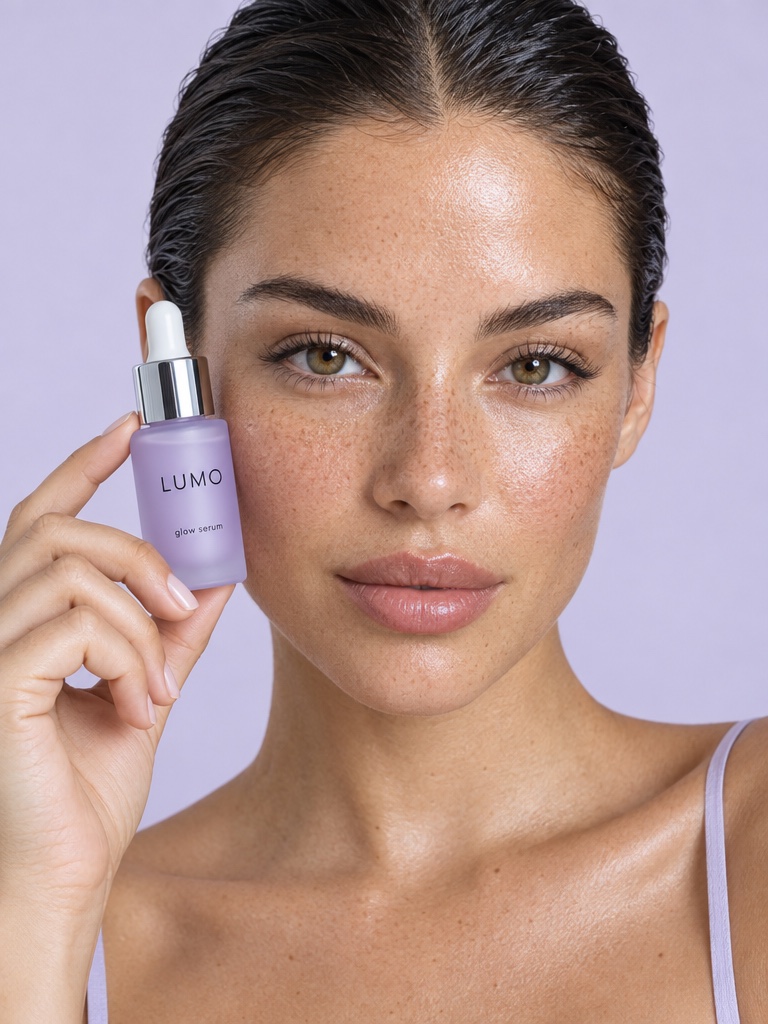
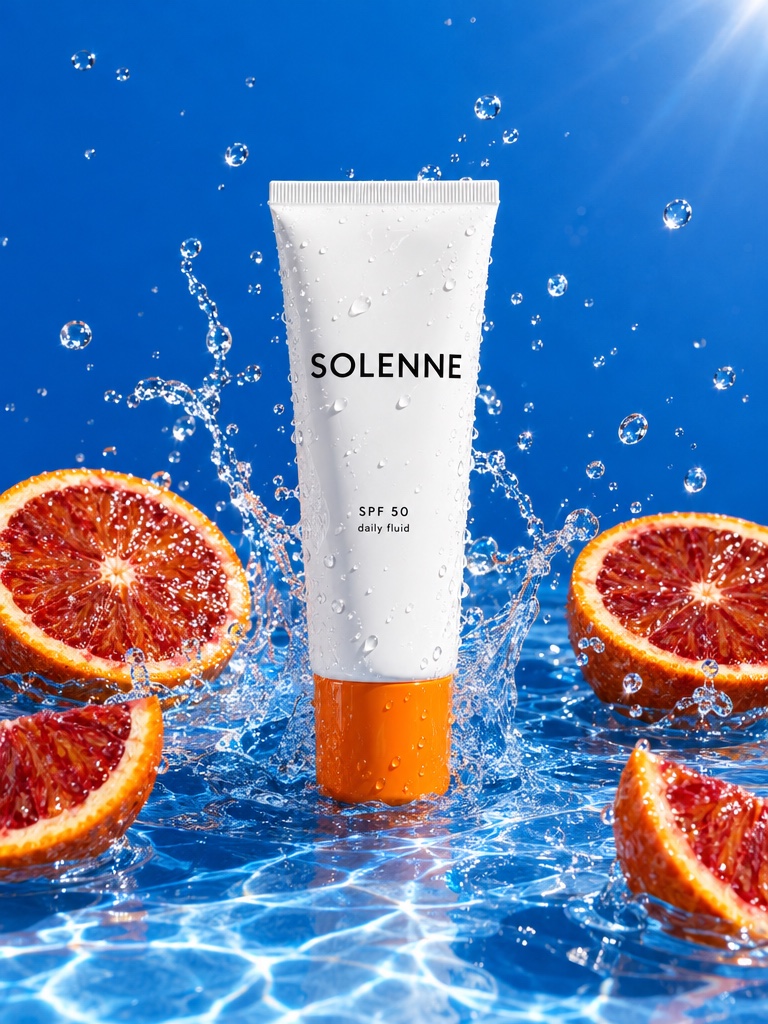
Both can make a person talk to camera from a script. The split shows up in what surrounds the talking. A skin care brand launching an SPF moisturizer needs the tube in hand, a lifestyle still for the product page, a short product video and a voiceover for a Reel. Avocado AI makes all of those in one place, on one credit balance.
How does Avocado AI put your real product in a creator's hand?
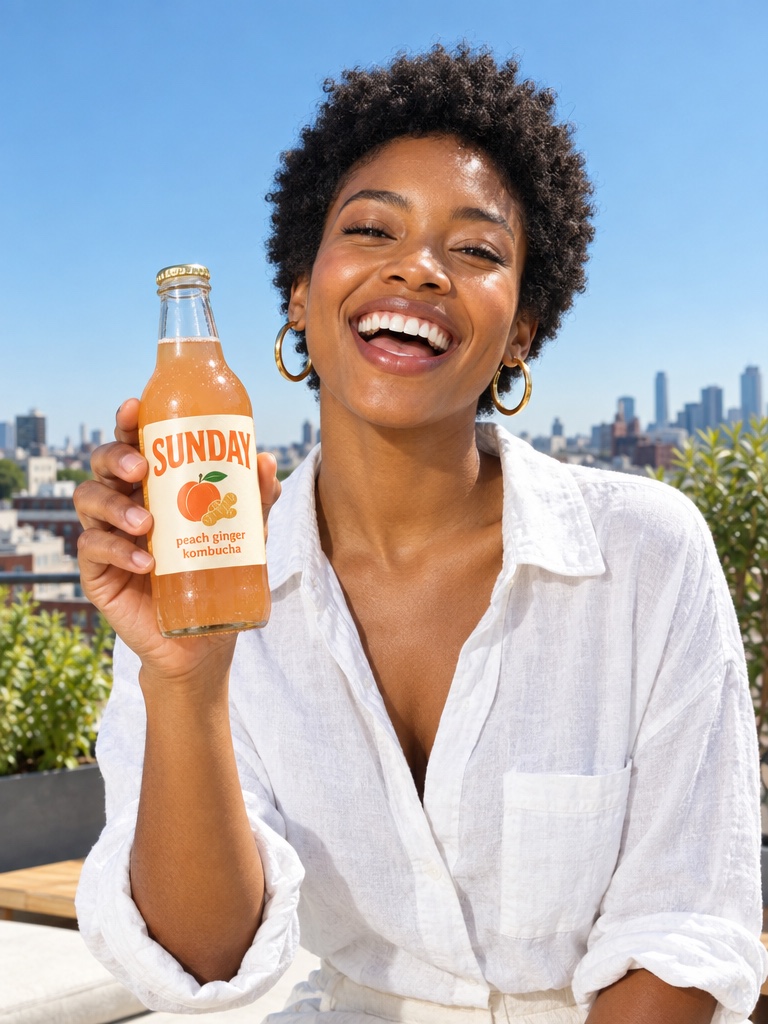
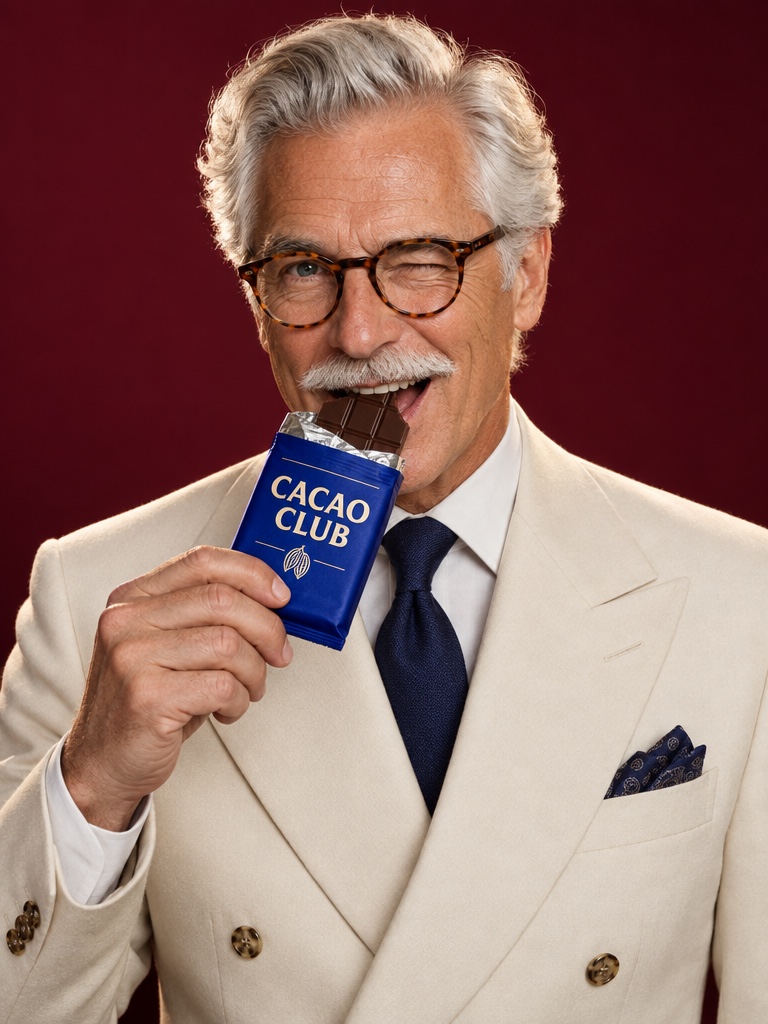
Avocado AI does this in the UGC studio. You pick a ready creator look or your own, write the script and attach your product. Avocado AI first edits the look with GPT Image 2.5 so the creator holds your actual product, then animates that still into a talking video of up to 30 seconds.
You choose the engine for the ad. Fast UGC is quick for testing hooks. The talking head engine lip-syncs to a matched voice, up to 30 seconds. Seedance 2.5 generates the clip with native audio, also up to 30 seconds, and HD UGC runs on MiniMax H3 MAX Turbo. Every engine outputs 9:16, 1:1 or 16:9, so one script can cover a Reel, a feed post and a landscape placement.
Where is HeyGen better than Avocado AI?
HeyGen is better than Avocado AI for avatar and presenter video at scale. HeyGen offers custom avatars and digital twins, a large stock avatar library, and video translation into 175+ languages on its paid plans, as listed on heygen.com in October 2026. For training videos, explainers and localizing one presenter into many markets, HeyGen is the stronger fit.
If your main job is turning a founder into a digital twin who records weekly updates, or dubbing an existing video into a dozen languages, stay with HeyGen. HeyGen also lists a product placement feature on its higher plans, as listed on heygen.com in October 2026. Avocado AI is the better choice when the product itself, and the rest of the ad around it, is the point.
What else can a product brand make in Avocado AI besides UGC?
Avocado AI covers the full set of product creative beyond UGC. The image workbench edits your own product photo with GPT Image 2.5 edit or Nano Banana 2 Edit, the video workbench animates stills with Seedance 2.5, Kling 3.0 or Veo 3.1, and Audio Studio makes voiceovers, music beds and sound effects.
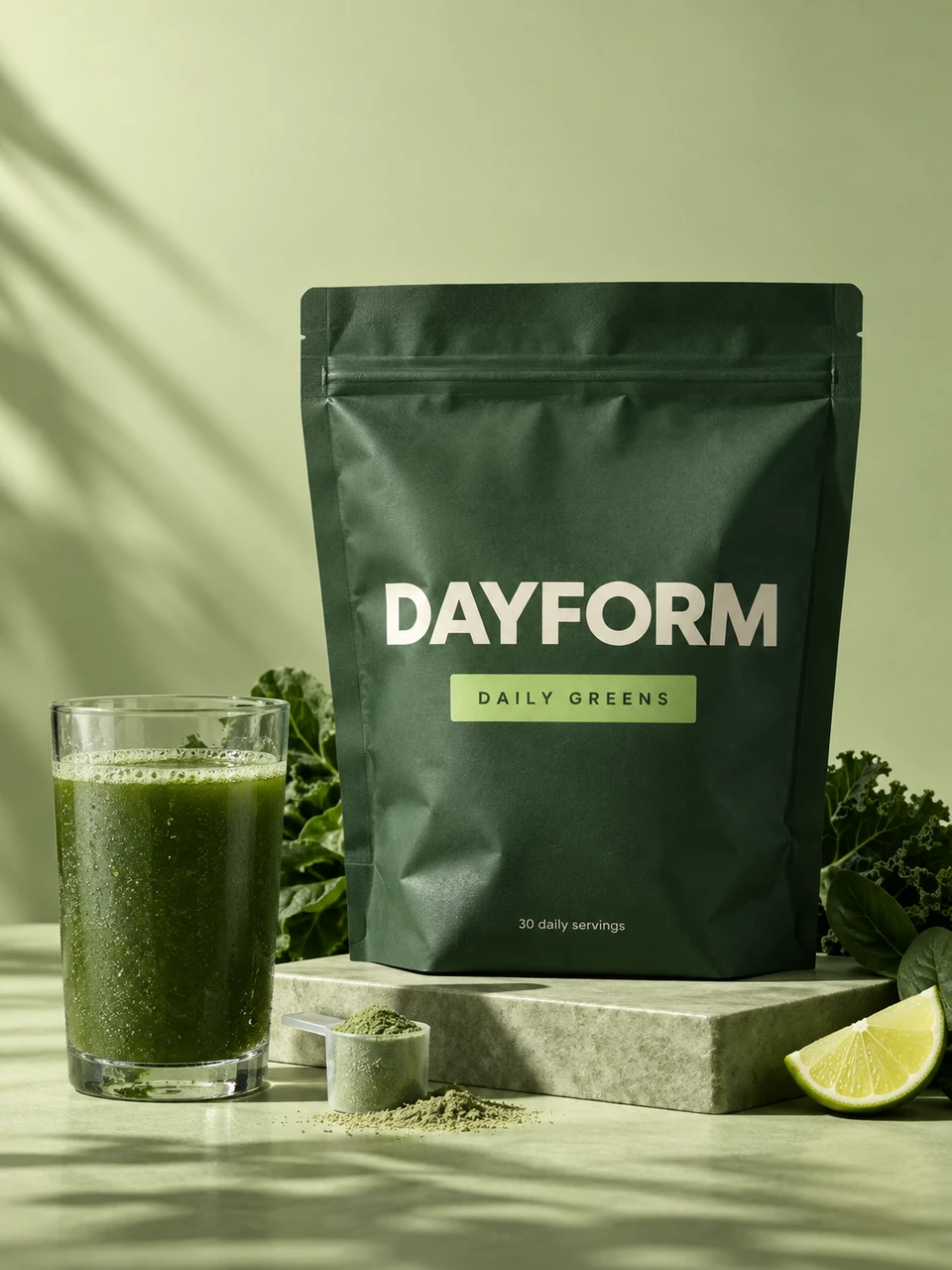
A supplement brand selling magnesium gummies can make a packshot on a nightstand, a slow video push in on the jar, three UGC hooks with a creator holding it and a calm voiceover, without leaving one library. Audio Studio uses Fish Audio S2 Pro as the default voice model, can design a voice from a short description, and can clone a voice. Brand DNA keeps products, references, tone and rules attached to every run.
Can Avocado AI repeat the same UGC ad for every product?
Avocado AI can repeat a UGC ad for every product through Flows. A Flow chains prompt, image, video, voice and music steps on one canvas, and you run every step in one click. Build the ad once for one product, then run the same Flow for the next product without rebuilding it.
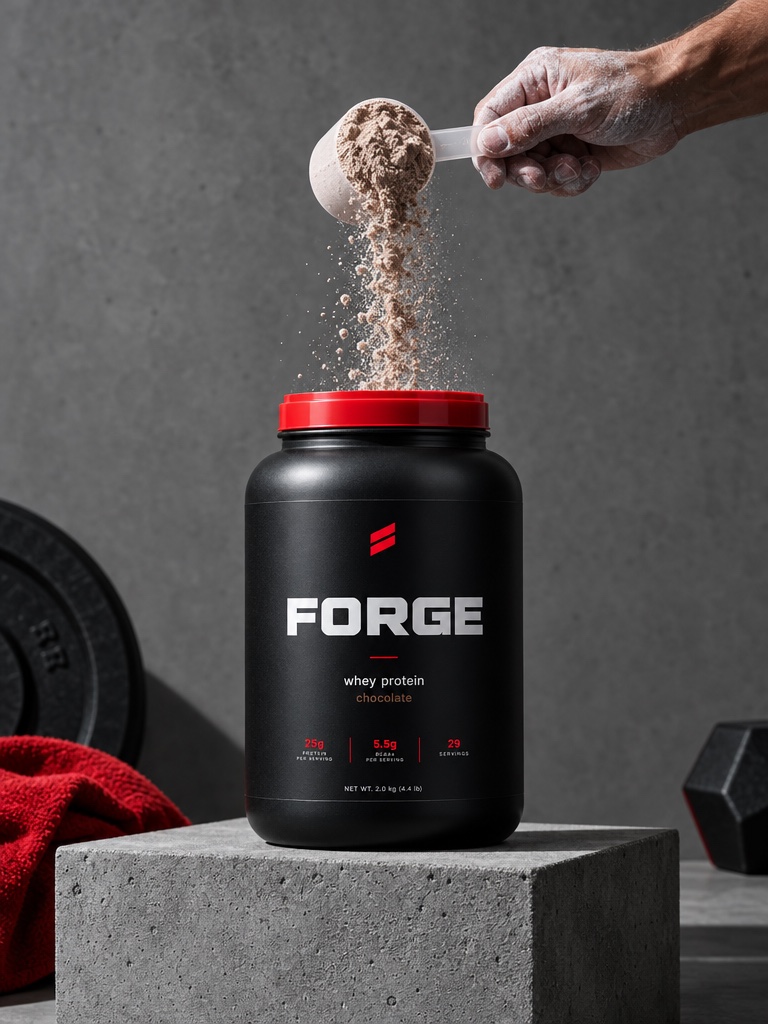
That is useful for a protein brand with a whey tub, protein bars and a shaker, or an agency running the same concept for several clients. Flows supports real-time collaboration, comments and share links, so a client can review before anything ships. Director mode can turn a Flow into a full commercial on a timeline with music.
How much does Avocado AI cost compared with HeyGen?
Avocado AI plans are Intro at EUR 19.99 per month for 100 credits, Starter at EUR 39 for 300, Growth at EUR 99 for 800 and Pro at EUR 249 for 2,000, with 20% off yearly. HeyGen lists a free tier and paid Creator, Pro and Business plans, plus custom Enterprise pricing.
HeyGen lists Creator at 29 USD, Pro at 49 USD and Business at 149 USD per month, as listed on heygen.com in October 2026. Both run on credits, but they buy different things. HeyGen credits go mostly to avatar and translated video. Avocado AI credits cover UGC clips, product images, video seconds and audio on one balance. Every Avocado AI plan includes full commercial rights and no watermark, and credits roll over for up to one year.